Close happens in stages
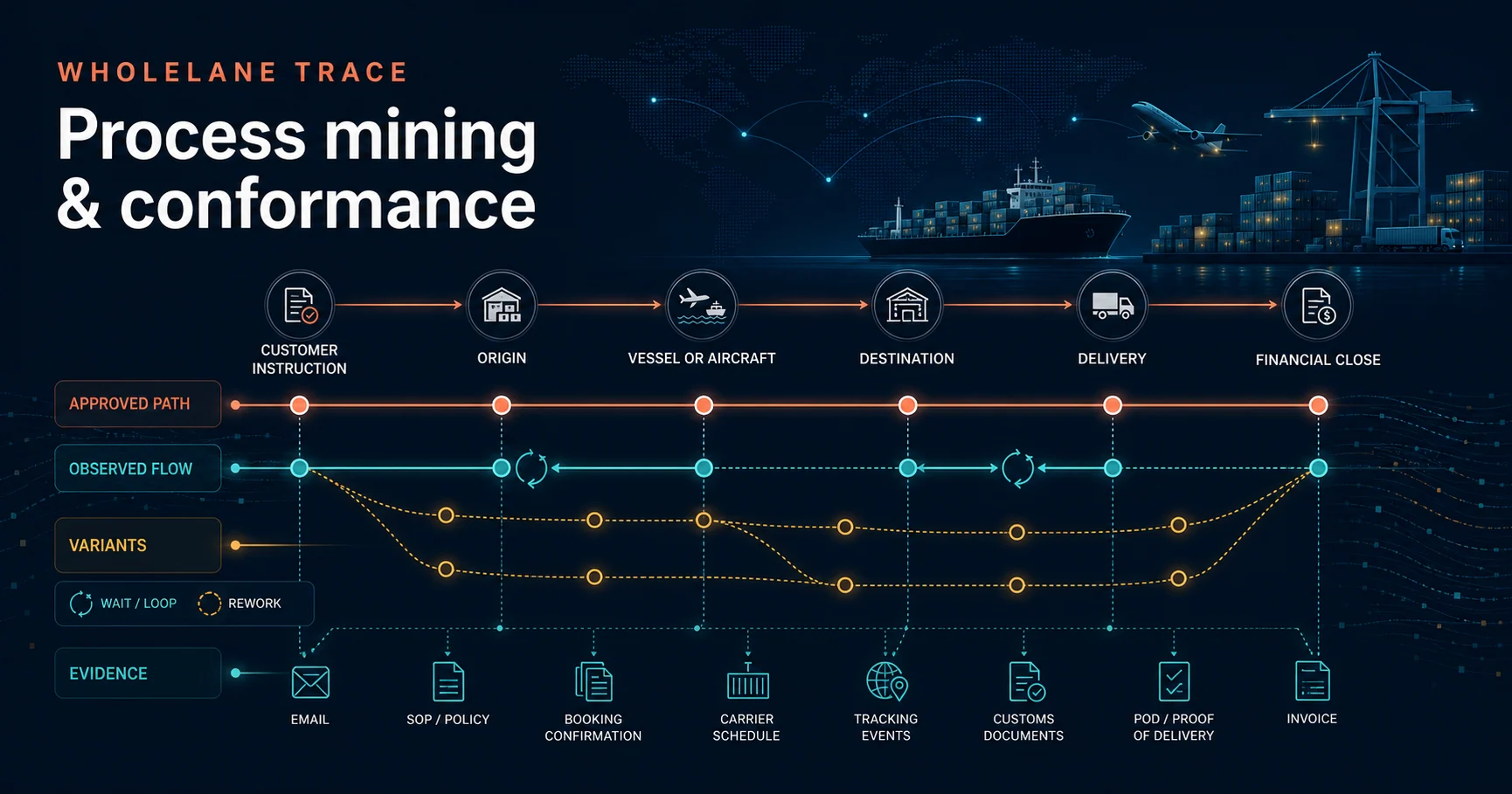
Picture an import job after delivery. The cargo has reached the consignee, so the physical movement is complete. Customer service may still be managing an exception, while Finance waits for expected costs, supplier evidence or billing approval. Settlement, margin review and the audit record may remain open after all of those steps.
Each is a legitimate form of completion, but they do not occur at the same moment. A useful close view shows which operating, customer, cost, revenue, settlement, exception and evidence gates are complete, which remain controlled and who owns the next decision. Collapsing that story into one closed status hides work, delays revenue and makes margin leakage harder to find.
Establish the close gates
A job-close model should define the required operational, cost, revenue, settlement, control and evidence conditions by service type. A residual case can remain open under a governed policy, but it must be visible and owned.
Follow the job into financial completion
The important measure is the journey from physical completion to a financially resolved job. Start with when the operation became ready for billing, then follow the time required to issue the invoice, accrue expected costs, receive and match supplier evidence, review margin and resolve any open exception.
The delayed tail deserves particular attention. A small number of old unbilled, uncosted or reopened jobs can carry more exposure than the average suggests, and their histories reveal the gates where work is repeatedly sticking.
Avoid zero-cost completion
A missing cost is not evidence that no cost exists. Expected services should be accrued at the best supportable amount and updated when better evidence arrives.
Connect causes to action
Aged close can reflect late supplier evidence, missing service expectation, incorrect charge ownership, process exception, master-data quality or unclear finance handoff. The action should match the cause.