
Fragmented process evidence
Events, tasks, documents and charges do not automatically form one explainable operating story.
Operating Intelligence for Freight Forwarding
Trace and Weave show how freight moved and how the operation carried it. Resolve brings those findings together, and Sense supports customer-success action. Blueprint explains configured intent, while Chronicle preserves the historical record.
 ResolveUnified operating intelligence
 SenseCustomer-success operations
Blueprint supports configuration discovery. Chronicle preserves historical access. Neither implies access to the core products.
The operating problem
Forwarders already hold shipment, workflow, communication, customer and financial data. The problem is that each source describes a different part of the operating result.
Events, tasks, documents and charges do not automatically form one explainable operating story.
Handoffs, team interfaces and customer dependencies often sit outside the formal process map.
Service, customer and margin effects often become visible only after a pattern has persisted.
Many improvement programmes record completion, but not whether the operating result actually improved.
Product family
Trace and Weave feed Resolve with approved findings, and Sense supports the arrival-to-delivery service journey. Blueprint and Chronicle remain independent products for configured intent and historical access.


Freight Process Intelligence
What happened in the freight process?
See how freight work actually moved.
Provides approved process findings to Resolve and remains usable as a specialist product.Explore Trace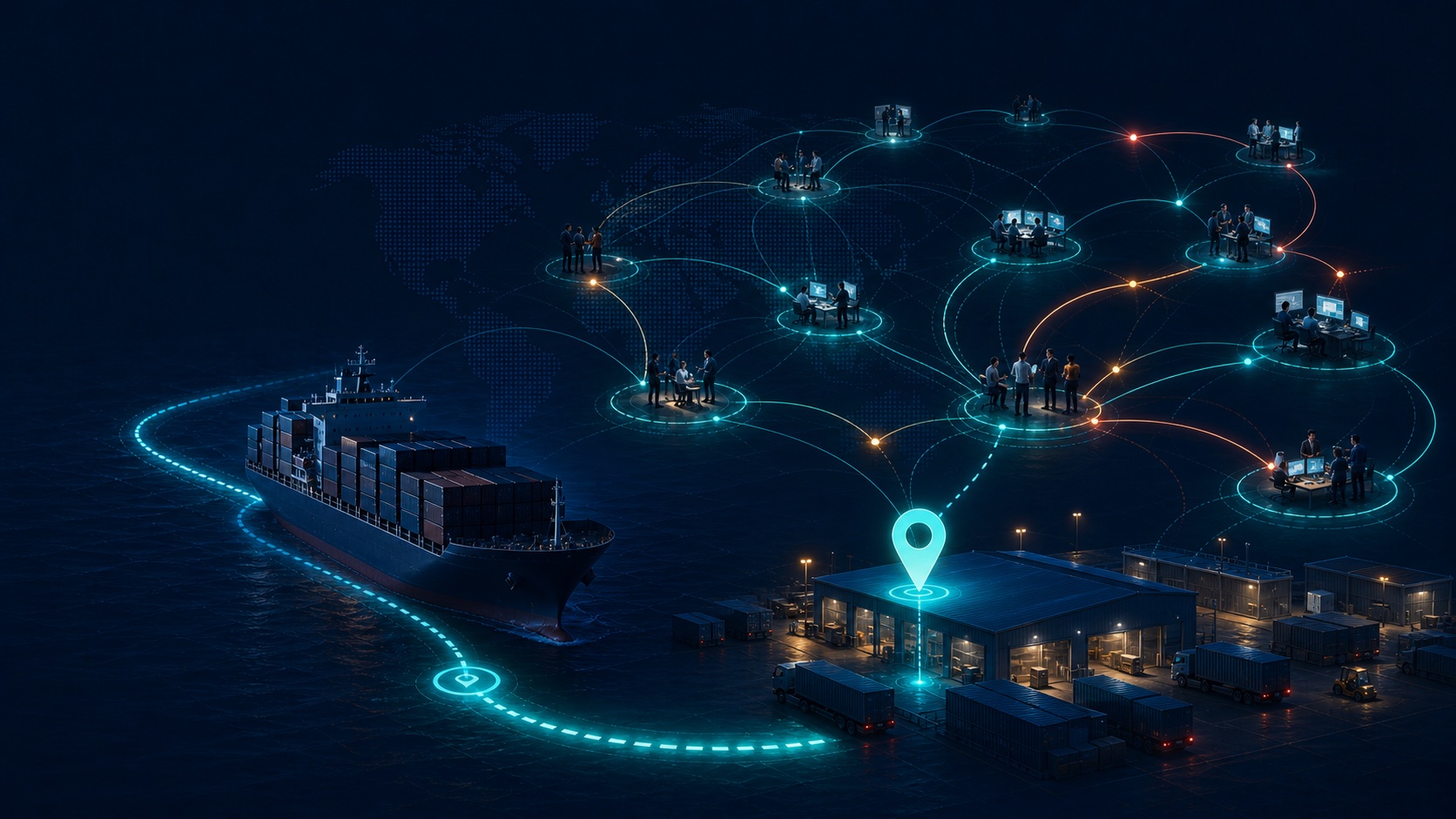

Organisational Relationship Intelligence
How do coordination and operating relationships support the work?
See how coordination supports freight operations.
Provides approved operating context to Resolve and remains in phased development.Explore Weave

Unified Freight Operating Intelligence
Why did the outcome occur, and where should action go?
Understand why freight outcomes occur and where to act.
Connects approved Trace and Weave findings while preserving their source authority.Explore Resolve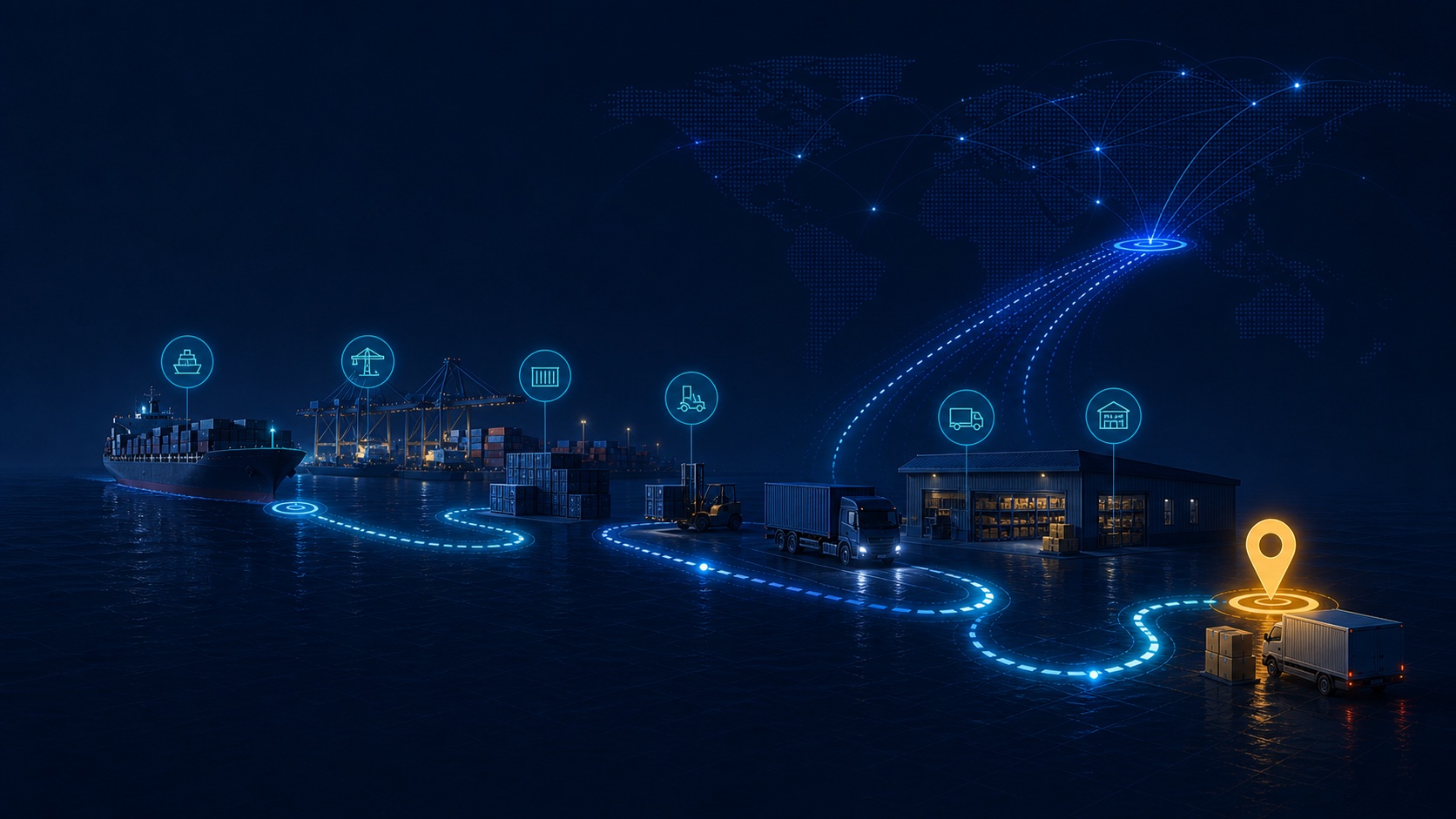

Freight Customer Success Intelligence
What must happen from arrival to delivery to protect the customer promise?
Protect the customer promise from arrival to delivery.
Sits beneath Resolve as the customer-success operating layer, not as a third source feeding Resolve.Explore Sense

Configuration Intelligence
What is CargoWise configured to do?
See what CargoWise is configured to do.
A standalone, read-only configuration diagnostic. It can inform discovery and implementation without becoming a hidden source for Resolve or changing CargoWise.Explore Blueprint

Historical Freight Archive
How can the business find and trust its historical freight record?
Keep the historical freight record searchable and controlled.
A separate, read-only archive product. It preserves historical evidence without becoming an operational system or a runtime dependency for the intelligence products.Explore ChronicleBuilt around the forwarding lifecycle
Commercial instruction, origin, main carriage, destination, customs, customer service and finance are connected. Wholelane follows those dependencies without replacing the systems that hold formal freight, customs or financial records.
One evidence-to-improvement loop
Bring together approved operational data for a defined question.
Calculate consistent measures, trends and confidence.
Add operating context, business impact and alternative explanations.
Test a practical change with a clear scope and success measure.
Measure the operating condition and business result again.
Forwarders already hold shipment records, milestones, tasks, documents, messages, customer interactions, charges and financial outcomes. The problem is that the evidence is separated by system, function and purpose.
Trace reconstructs the freight process. Weave adds aggregate, privacy-protected context about coordination, customer coverage and operating dependencies. Resolve connects approved Trace and Weave findings into one explainable operating view. Sense sits beneath Resolve as the customer-success operating layer, using trusted arrival-to-delivery observations, forecasts and service commitments to guide the next response.
Two specialist products extend that story without being folded into the core chain. Blueprint shows what CargoWise is configured to do, giving implementation teams a controlled view of workflow and Registry intent. Chronicle keeps historical shipment, customs, finance, document and organisation records available after the operating system changes.
The products have separate authority and are at different stages of readiness. Trace provides process intelligence. Weave remains in phased implementation as the second source-intelligence product. Resolve has an end-to-end controlled experience for connecting approved findings, while Sense is available for controlled customer validation as the arrival-to-delivery customer-success layer. Blueprint supports controlled configuration diagnostics, and Chronicle is available for controlled archive validation.
| Starting point | What it answers |
|---|---|
| Trace | Where did the freight process wait, deviate, rework or miss a commitment? |
| Weave | Where could aggregate coordination, relationship coverage or continuity data clarify how the business operates? |
| Resolve | What material Trace or Weave condition requires action, and did the intervention work? |
| Sense | What must happen from arrival to delivery to protect the customer promise? |
| Blueprint | What is CargoWise configured to do, and what still needs validation? |
| Chronicle | How can the business find and trust its historical freight record? |
| Complete portfolio | What was configured, what happened, why did it matter, what should change and which historical evidence must remain available? |
A metric is useful only when the business can see what changed, understand the operating context, test an improvement and measure the result. Wholelane keeps those questions connected from the first data signal through to the outcome review.
Product marks
The marks share one visual family while keeping process evidence, operating relationships, unified interpretation, customer success, configuration and historical continuity recognisable.

The milestone path represents observed freight flow, variation and process evidence.

The interwoven paths represent the operating relationships and handoffs carrying the work.
The converging forms represent separate evidence brought into one explainable operating view.
The converging signals and forward path represent the arrival-to-delivery journey and customer promise.

The framed configuration path represents workflows, rules and settings examined as read-only configured intent.

The retained record line represents released historical evidence kept searchable through time.
Start with the operating question